

Episode 7 Summary:
Beyond the Algorithm: A CEO’s Guide to Content That Lasts
In the frantic race for “virality,” most business owners are running a marathon on a treadmill, exhausting themselves without moving an inch forward. We’ve been told that to succeed, we must feed the beast: more posts, more hashtags, more dancing on cars (okay, maybe not that last one).
But what if the key to sustainable growth isn’t gaming the system, but avoiding it altogether?
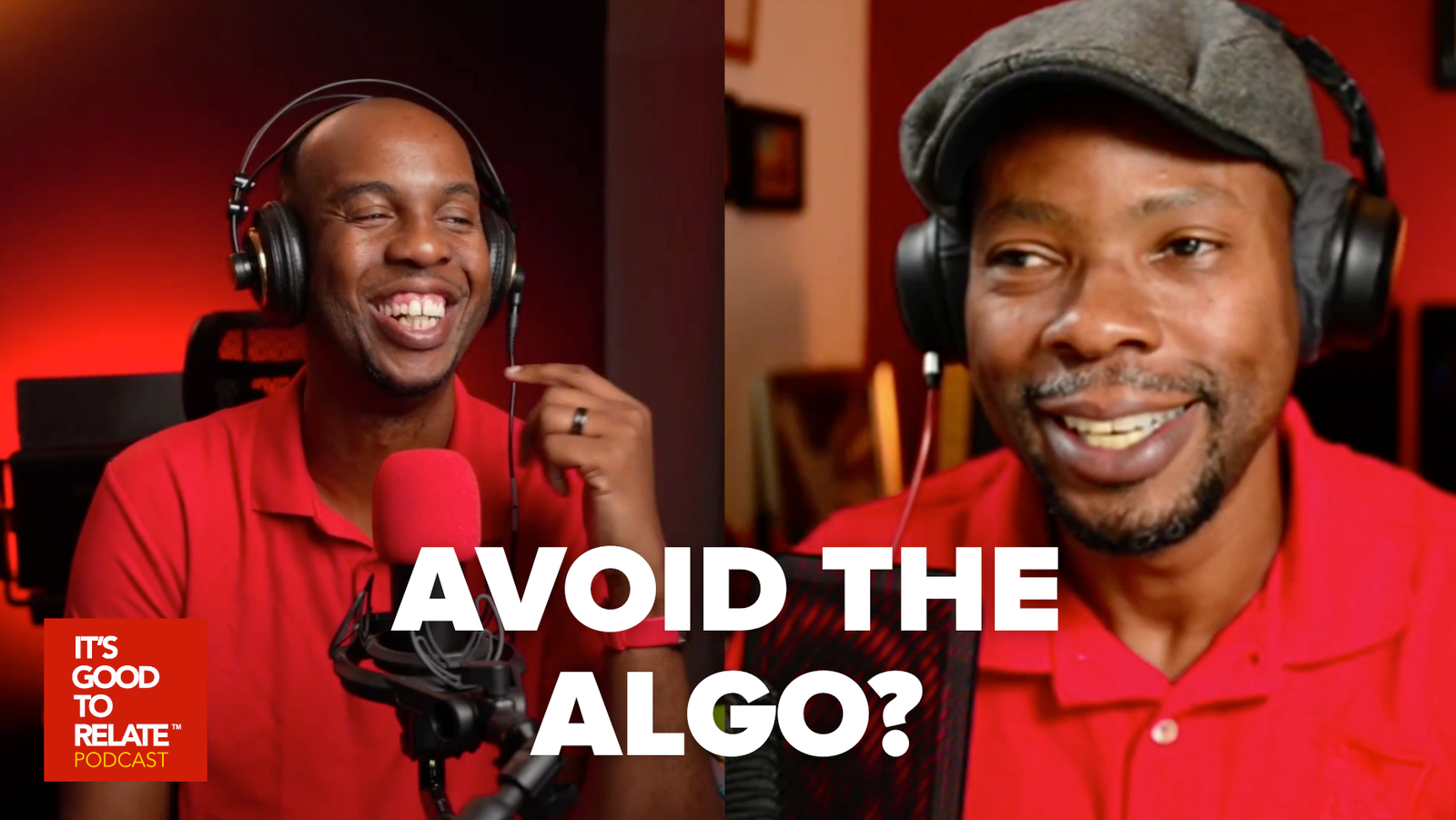
In a recent deep dive, Juma Bannister and Ayinde Smith sat down to dismantle the “algorithm-first” mentality. They explored how startup founders and established CEOs can reclaim their time and build genuine authority without becoming slaves to a feed.
1. The Pre-Flight Checklist: Know Your “Need”
Before you hit record or open a blank doc, you need a compass. Too many leaders start creating content because they feel they should, not because it serves a specific business function.
Juma Bannister: “What does your business actually need? … Does it need inbound leads? Do you need to build brand awareness? Those things will determine your content volume and your messaging.”
As Ayinde pointed out, “making money” is too vague a goal. Your content needs to balance immediate needs with long-term strategy. If you want attention today, you could go do something foolish in the street, but will that build the trust you need for a deal three years from now?
2. Skill Brings Efficiency
The biggest barrier to content is the “friction of doing.” If every video requires a three-hour lighting setup, you’ll quit by week three.
The secret? Front-loading the effort.
Ayinde Smith: “By the time you do a certain amount of it, you should have become better at doing it… there’s a whole different set of learning that takes place when you actually do the thing.”
Juma echoed this, noting that “Skill brings efficiency.” When you first start, a LinkedIn post might take two hours. A year in, you can knock out a high-authority thought piece in twenty minutes because you’ve developed the “neuro-learning” required to communicate your expertise.
3. Renting vs. Owning Your Audience
This is where the strategy shifts from “content creator” to “business builder.” When you rely solely on social media, you are renting an audience. If the algorithm changes (and it will), your access to those people can be cut off overnight.
Ayinde Smith: “Avoiding the algorithm means not building your entire digital marketing strategy on social media… you don’t end up living and dying by the algorithm.”
To move from renting to owning, focus on:
- Discoverability (SEO): Create content for Google and YouTube that people find when they are actively searching for solutions.
- Owned Real Estate: Drive traffic to your website, your blog, or your email list.
- The Human Element: AI can churn out generic “top 10” lists. It cannot replicate your unique, lived experience.
4. The Trust Economy
In a world flooded with AI-generated “slush,” trust is the only currency that hasn’t devalued. Juma highlighted the E-E-A-T framework (Experience, Expertise, Authoritativeness, and Trustworthiness) as the gold standard for staying relevant.
Juma Bannister: “There are some things that only experience can give you… real-life examples with stories to tell. It gives you a higher level of trust. Therefore, you don’t have to run down the algorithm again.”
What did we learn today?
- Strategy First: Don’t create for the sake of creating. Align every piece of content with a specific business need (Awareness, Sales, or Authority).
- Own the Connection: Use social media as a top-of-funnel discovery tool, but move your “true fans” to owned channels like email or WhatsApp communities.
- Front-Load the Work: Content feels hard because you haven’t done enough of it yet. Commit to a high-volume “practice period” to build the skills that eventually lead to efficiency.
- Be Human: In the age of AI, your personal anecdotes and specific industry experiences are your greatest competitive advantages.
The Question for You: If every social media platform disappeared tomorrow, how would you reach your best customers and would they even know where to find you?