

Episode 9 Summary:
Stop Building “Me Too” Businesses: The Brutal Reality of Entrepreneurship & How to Scale Your Voice
Let’s be honest. If you are a startup CEO, you’ve likely realized by now that the glamorous “hustle culture” peddled on social media is mostly smoke and mirrors. Behind every sleek product launch and viral marketing campaign is a mountain of unglamorous risk, dwindling capital, and sheer willpower.
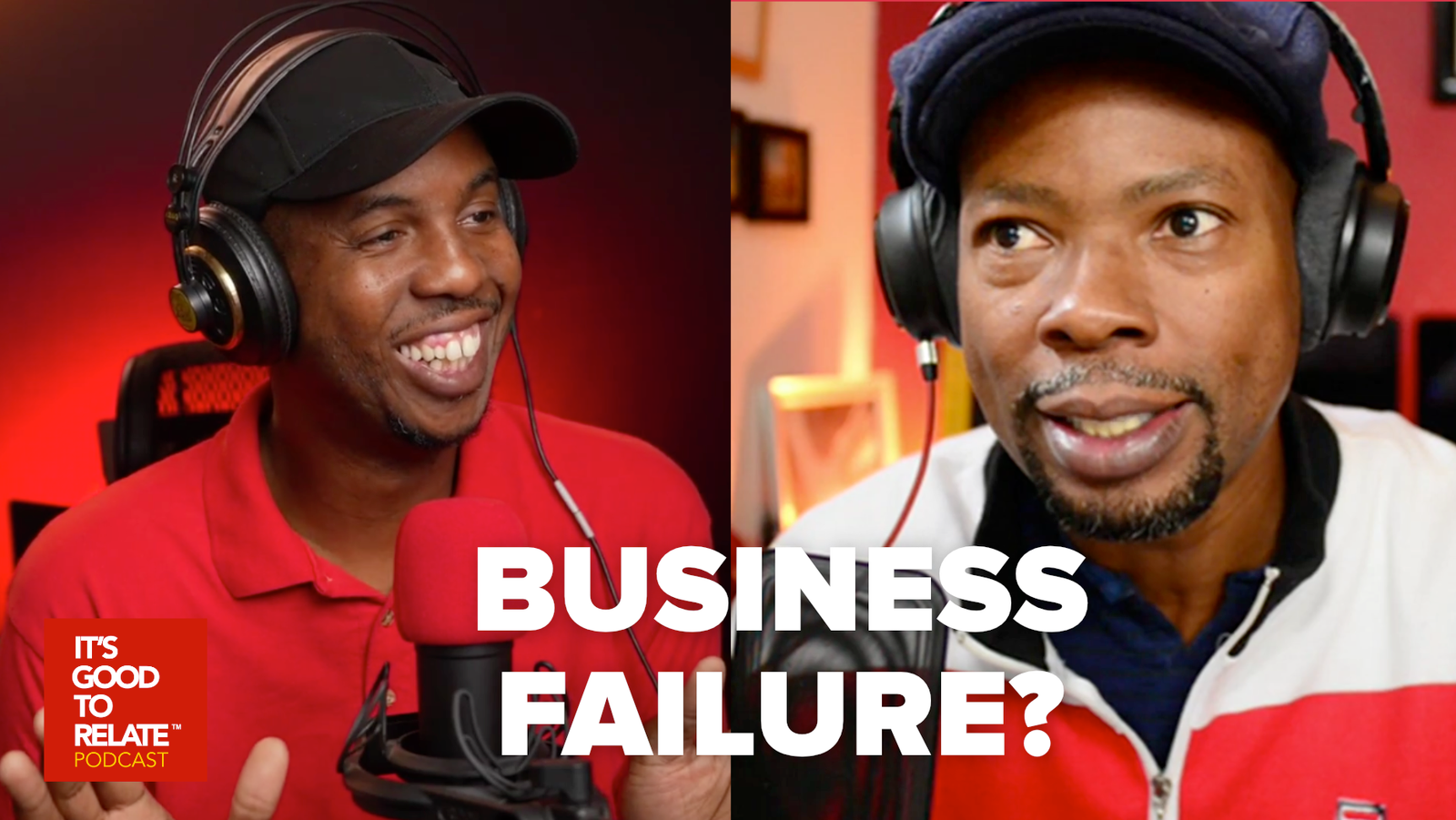
In a recent candid discussion on the IT’S GOOD TO RELATE podcast, digital content experts Juma Bannister and Ayinde Smith pulled back the curtain on two pivotal questions every founder must face: Do you actually have what it takes to run a business? And once you do, how do you choose the right content format to dominate your market?
Get settled in. We’re getting into the hard truths of business building and high-conversion content strategy.
The Entrepreneurial Acid Test: Passion, Risk, and Runway
The modern job market is chaotic, and the siren song of entrepreneurship is louder than ever. But stepping into the arena requires more than just a good idea. It requires a specific DNA.
If you are currently treating your startup as a side-hustle and wondering when to pull the trigger on going full-time, you need to assess your internal engine.
“If you have to ask a question [whether to start a business], the answer’s probably no… It is not for the faint of heart. It is not for the weary.” — Ayinde Smith
To survive the startup gauntlet, you need three core pillars:
- An Unkillable Engine: You must possess a level of passion that drives you to work in the complete absence of immediate gratification or a guaranteed salary.
- Financial Realism: Revenue is not profit. You need a designated “runway” to cover expenses while you scale. Never assume you will be profitable in year one.
- Irrational Risk Tolerance: You have to be willing to bet on yourself, even when the spreadsheets tell you to run away.
“I would look at the financials and say, this doesn’t make financial sense. Really, but I feel that this is what we need to do now, and some of it does not make sense sometimes. Just jump it into it, let’s do it.” — Juma Bannister
Avoiding the “Me Too” Epidemic
One of the most fatal mistakes early-stage founders make is relying entirely on their existing skill sets without consulting the market, leading to a sea of identical competitors competing solely on price.
“There are too many ‘me too’ businesses. And what do I mean by ‘me too’ businesses? There are too many businesses that are just doing… the same thing that somebody else is doing. And real entrepreneurs should find a gap in the market.” — Ayinde Smith
A true market gap isn’t always a brand new invention. Innovation can occur in your distribution model, your customer service, or your marketing strategy. If you are importing at one price and selling at another, you are playing a dangerous race to the bottom. Find your vertical (what you do) and your horizontal (who you serve), and position yourself exactly at that intersection.
Podcasting: The Ultimate Authority Builder
Once you’ve nailed your positioning and secured your runway, you need a vehicle to build authority. In high-conversion marketing, long-form content, specifically video podcasting—is an unmatched tool for B2B relationship building.
“It helps build your brand and it helps build relationships with your exact clients so you spend more time with the people who matter your business.” — Juma Bannister
Podcasts demonstrate your depth of expertise and generate a library of long-form video that can be sliced into dozens of high-performing, short-form clips for YouTube Shorts, LinkedIn, and TikTok.
But which format should you choose? Juma breaks it down into five key models using the SICNH framework:
| Podcast Format | The Vibe | The Pros | The Cons |
|---|---|---|---|
| Solo | One person, one mic sharing direct expertise. | Total creative control; builds a massive personal brand. | High pressure; difficult to maintain viewer engagement during a long monologue. |
| Interview | Host brings on guests to share their unique story. | Built-in audience (borrowed attention); excellent networking. | Interviewing is a difficult skill; booking high-quality guests is a logistical nightmare. |
| Co-Hosted | Two or more people with chemistry having a structured discussion. | Shared workload; dynamic viewpoints; entertaining banter. | Finding the right partner is hard; risk of business goals misaligning over time. |
| Narrative | Highly produced, audio/video storytelling. | Extremely engaging; great for deep-dives. | Requires immense production value and sound design; harder to tie directly to B2B sales. |
| Hybrid | Taking any format above and recording it in front of a live audience. | Authentic energy; dual-purpose content. | Unpredictable environment; requires strong stage presence. |
What did we learn today?
- Entrepreneurship is an identity, not just a career choice. If you are constantly second-guessing the leap, you might be better suited to keep your venture as a side hustle until the momentum forces you out of your day job.
- Stop copying the competition. Don’t just rely on what you are good at. Actively seek out the market gap and innovate your product, delivery, or marketing to fill it.
- Long-form video builds trust. A podcast is not just a broadcasting tool; it is a relationship-building mechanism for your exact target audience.
- Pick a sustainable format. Whether you choose Solo, Interview, or Co-hosted, select a content format that aligns with your resources, your schedule, and your natural chemistry.
Are you ready to stop building a “me too” business and start recording the content that puts your brand on the map?