

Episode 12 Summary:
The CEO’s Guide to Borrowed Attention: Hacking the Hype Cycle Without Being Cringe
Every brand wants to be where the eyeballs are. But for a CEO, the line between “cultural relevance” and “cringe-worthy” is razor-thin. When global phenomenon iShowSpeed touched down in the Caribbean, it wasn’t just a win for him (60 million+ streams;) it was a masterclass in a high-stakes marketing maneuver known as Borrowed Attention.
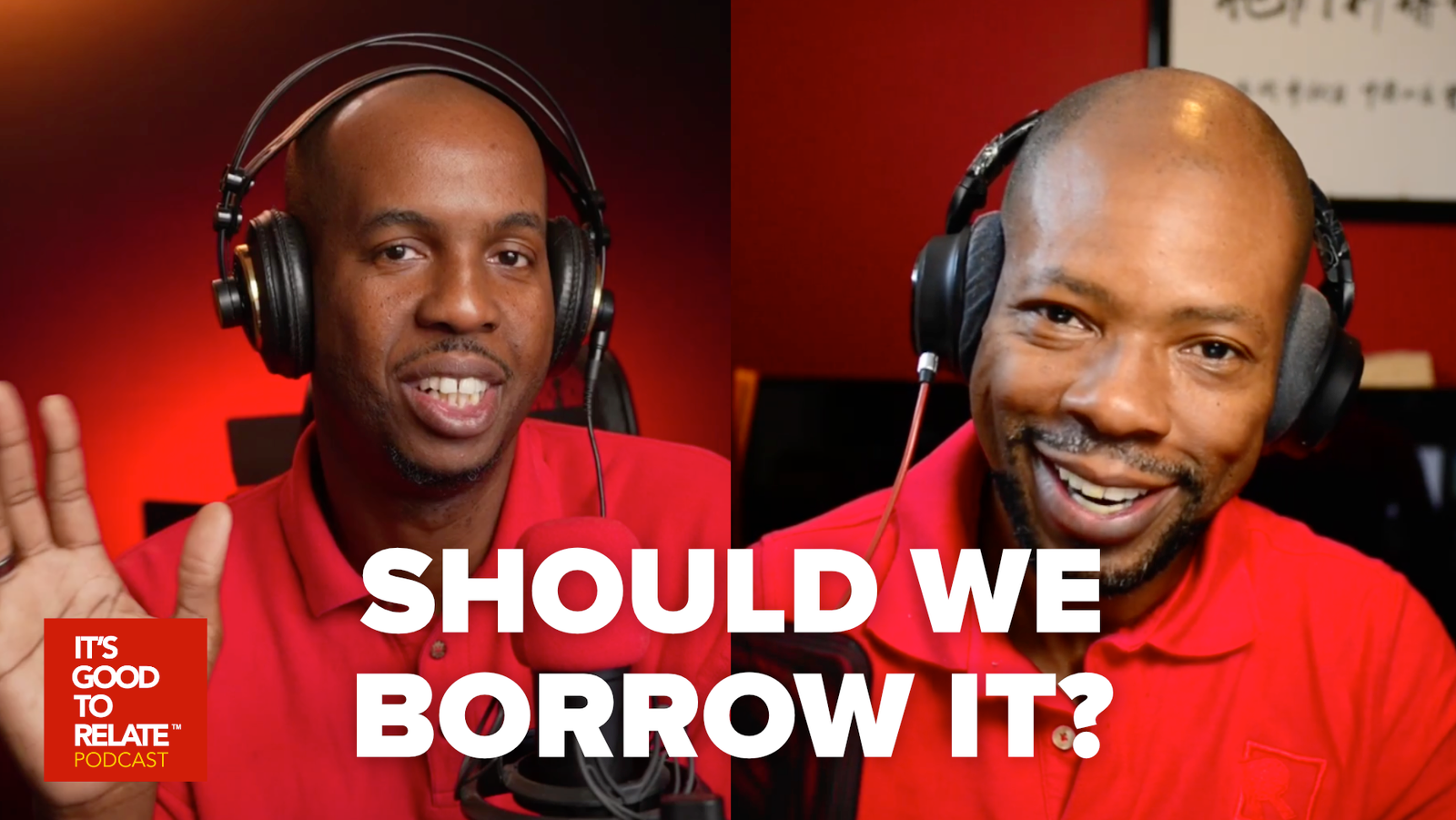
In this episode of IT’S GOOD TO RELATE Ayinde Smith and Juma Bannister break down the mechanics of this strategy and why most brands end up looking like the “old man in the club” instead of a savvy collaborator.
What Exactly Is Borrowed Attention?
Before you jump on the next viral trend, you need to understand the textbook definition. As Ayinde explains:
“Borrowed attention… is a marketing advertising technique where a brand intentionally associates itself with an unrelated person, event, image or theme that already has strong consumer interests, attention and engagement.”
The goal is simple: transfer the positive energy and massive reach of a person (like Speed) or an event (like the Olympics) to your brand. But as the discussion highlighted, “borrowing” attention isn’t the same as stealing it, and it certainly isn’t free.
The Hall of Shame: Three Ways to Kill Your Brand Credibility
Most companies get seduced by the numbers and forget the strategy. If you’re going to play in the “borrowed” space, avoid these three traps:
1. The Lazy Repost
Simply sharing a viral clip without adding a unique perspective is the fastest way to get buried by the algorithm. Juma notes that platforms are actively fighting this:
“Reaction content is in the crosshairs because… some people just sit in the corner and don’t say anything, which does not add any value. They’re looking for original content that adds value.”
2. Being a “Falcon” (Trying Too Hard)
In classic 90’s Trinidad & Tobago slang “Faling” is the act of fighting to be seen with certain associates or friends. A “Falcon” is what we sometimes call a person that “Fals”. In marketing, it’s when a legacy brand tries to speak Gen-Z (or Gen-Alpha) lingo without understanding the culture.
“You don’t want to be that person, you don’t want to be a Falcon,” Ayinde warns. “This is like the old man wearing the young people’s style… you end up looking weird.”
3. Negativity for Clicks
Using a “hot take” to bash a popular event might get you short-term numbers, but it’s a branding suicide mission. If your target audience loves the event you’re criticizing, you aren’t being edgy; you’re just being the villain.
The Right Way: How to Borrow with Grace
If you want to move the needle for your startup, you need to follow the Expedia model. Expedia didn’t just hope Speed mentioned them; they facilitated the tour.
Official Partnerships over Guerrilla Tactics
Instead of just shouting from the sidelines, integrate. Ayinde points out the shift in modern collaborations:
“What Expedia has done with iShowSpeed, rather than just saying, ‘Here’s the official of the Expedia brand,’ is like, how can we collaborate to create content that benefits both platforms?”
Add “Data-Driven” Value
If you aren’t a global partner, be the analyst. Juma highlights how creator Keron Rose used Media Insight’s data to analyze the tour’s impact rather than just reposting clips:
“Take the information… the data. And then you customize the data to mean something and that, that way you add value as opposed to just taking it wholesale.”
The Golden Rules for CEOs
Before you greenlight that “viral” campaign, ask your team if it passes these two tests:
-
Remember the “Who”: Does this trend actually matter to your specific customer, or are you just chasing general noise?
-
Stay on Brand: If your brand values don’t align with the creator’s vibe, don’t force it. Authenticity is the only currency that matters to a jaded, over-advertised audience.
What did we learn today?
-
Borrowed Attention is the act of hitching your brand’s wagon to a high-interest event or person to capture their momentum.
-
Lazy Content is Dead: Reposting without adding value or analysis will get you penalized by platforms and ignored by users.
-
Avoid “Brand Spoilage”: When brands jump on a trend too aggressively or inauthentically, they often kill the trend and look desperate in the process.
-
Context is King: The best way to borrow attention is to stay within your content stream and provide a unique, data-backed, or collaborative angle.
When you look at the current cultural landscape, is your brand acting as a valued contributor to the conversation, or are you just another “Falcon” fighting for a front-row seat?